Bse India
| Index name | S&P BSE SENSEX |
|---|---|
| Index type | Equity market index |
| Number of constituents | 30 |
| Base year | 1978-79 |
| Base value | 100 |
| Exchange traded on | BSE (Bombay Stock Exchange) |
| Session | Regular trading session |
| Calculation | Free-float market capitalization weighted |
Origin and history
The Bombay Stock Exchange (BSE) is a financial exchange originating in India. It was established in the late 19th century, making it one of the oldest stock exchanges in Asia. Its formation was driven by the need for a formal marketplace for securities trading in the city then known as Bombay. The exchange began as an informal group of stockbrokers conducting business under a banyan tree. Over the decades, it evolved into a formal institution with a recognized trading floor and membership structure. The BSE was the first exchange in India to be granted permanent recognition by the government in the mid-20th century. It transitioned from an open-outcry trading system to full electronic trading in the 1990s. The exchange has been a central institution in the development of India's capital markets throughout its long history.
What it is for
The Bombay Stock Exchange (BSE) provides an organized marketplace for the trading of financial securities. Its primary function is to facilitate the buying and selling of equities issued by publicly listed Indian companies. The exchange also enables trading in other instruments such as derivatives, debt securities, and mutual funds. It serves as a critical platform for companies to raise capital from public investors through initial public offerings (IPOs). The BSE establishes and enforces rules and regulations to ensure fair and transparent trading practices among its members. It generates and disseminates real-time price information, which is essential for valuation and investment decisions. The exchange provides clearing and settlement services to ensure the secure finalization of trades. Furthermore, it maintains key market indices, most notably the SENSEX, which tracks the performance of 30 major companies.
Pros and cons
A primary advantage of the BSE is its deep liquidity in many large-cap stocks, providing efficient entry and exit points for investors. Its long-established regulatory framework and infrastructure offer a high degree of operational reliability and investor protection. The exchange provides access to a wide array of companies, from large, established firms to smaller, growth-oriented enterprises listed on its dedicated SME platform. A significant con is that, for many smaller-cap stocks, liquidity can be thin, leading to wide bid-ask spreads and potential difficulty executing large orders without affecting the price. Some international investors find the local market regulations and settlement procedures complex compared to other global markets. A common mistake is for novice investors to focus solely on the high-volatility, smaller stocks without understanding the associated risks of limited liquidity and information. Retail investors sometimes regret choosing specific stocks based on short-term momentum without considering the company's fundamentals, a pitfall not unique to but present on this exchange.
Who it suits
The BSE suits investors seeking exposure to the long-term growth narrative of the Indian economy through its corporate sector. It is appropriate for domestic retail and institutional investors who are familiar with the local regulatory and tax environment. The exchange serves large, established companies needing a prestigious and liquid platform for their equity and debt securities. It also suits smaller and medium enterprises looking to access public capital through its specialized listing segments. The BSE is well-suited for traders who can navigate the liquidity dynamics between its large-cap and small-cap segments. It is a necessary marketplace for any fund manager or analyst focusing on Indian equities, as its indices are the primary benchmarks for the market. The exchange is less suited for foreign investors unwilling to navigate the local account and regulatory requirements directly, who might instead use depository receipt routes or funds.
Latest Bse India news
Latest reporting

Asian Markets Face Fragmented Holiday Week
Multiple Asian exchanges, including Taiwan, China, Hong Kong, and India, will close on different days from September 28 to October 2 for national...
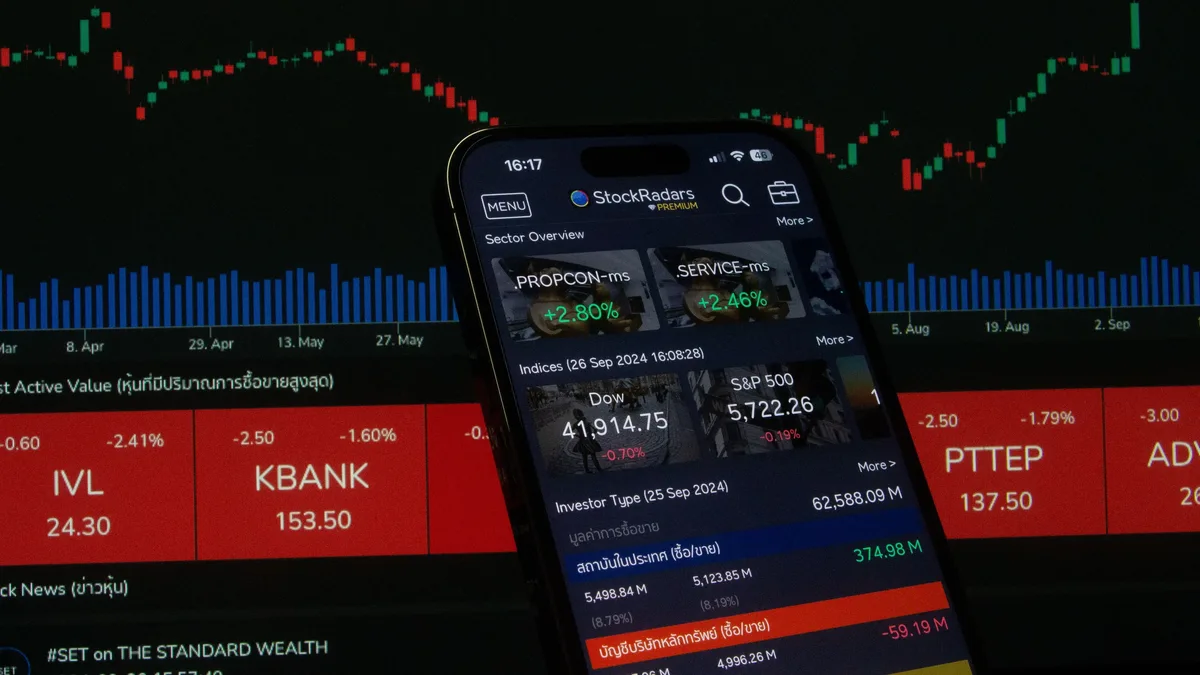
NSE IPO threatens India's unlisted share
The landmark IPO of the National Stock Exchange, a cornerstone of India's unlisted share market, threatens to sharply reduce activity in that sector