Nse India
| Index name | NIFTY 50 |
|---|---|
| Trading venue | National Stock Exchange of India (NSE) |
| Session times | 9:15 AM to 3:30 PM IST |
| First created | 1996 |
| Country of origin | India |
| Constituent count | 50 |
| Weighting methodology | Free-float market capitalization |
| Settlement cycle | T+1 |
Origin and history
The National Stock Exchange of India (NSE) was established in India in the early 1990s. Its creation was driven by a government committee's recommendations to reform the country's capital markets and address systemic inefficiencies. The exchange was incorporated in 1992 and began operations in the mid-1990s, marking a significant shift in Indian finance. It was promoted by a consortium of leading Indian financial institutions, including insurance companies and banks, with a mandate to provide a modern, transparent trading platform. The NSE launched its wholesale debt market segment first, followed shortly by the equities segment, which rapidly gained market share. This establishment represented a move from open-outcry trading to a fully automated electronic trading system, setting new standards for the Indian securities market.
What it is for
The National Stock Exchange of India provides a nationwide electronic trading platform for a wide range of securities, including equities, derivatives, and debt instruments. Its primary function is to facilitate price discovery and enable efficient, transparent trading between buyers and sellers. The exchange hosts the NIFTY 50 index, which serves as a key benchmark for the performance of the Indian equity market. It provides a critical infrastructure for clearing and settlement, ensuring the honor of trade commitments and reducing counterparty risk. The NSE also offers a platform for trading in various derivative products like index and stock futures and options, which are used for hedging and speculation. Furthermore, it serves as a channel for companies to raise capital from the public through initial public offerings listed on its platform.
Pros and cons
A primary advantage of the NSE is its fully automated, screen-based trading system, which ensures transparency, efficiency, and equal access for all participants across the country. Its robust clearing corporation, NSCCL, virtually eliminates counterparty default risk, providing high settlement security. However, the market can exhibit high volatility, particularly in mid and small-cap segments, leading to significant short-term losses for unprepared retail investors. A common mistake is for new participants to engage in derivative trading without understanding the leverage involved, often resulting in losses exceeding their initial capital. The exchange's dominance, alongside the BSE, creates a near-duopoly that can limit competitive pressure on fee structures for certain services. Furthermore, technical glitches, though infrequent, can halt trading entirely, as seen in past halts, causing disruption and uncertainty for all market participants.
Who it suits
The NSE suits institutional investors, domestic and foreign, who require deep liquidity, sophisticated derivative products, and a reliable settlement system for large-scale investments. It is appropriate for long-term retail investors seeking exposure to the Indian economy through a diversified portfolio of leading index stocks or mutual funds. Active traders and arbitrageurs benefit from the high liquidity, low latency, and extensive range of futures and options contracts available for strategic trading. Companies looking to list and raise public capital are served by its extensive investor reach and high visibility. The exchange also suits researchers and analysts who rely on its comprehensive, real-time data for market analysis and economic forecasting. It is less suited to individuals seeking extremely localized or tiny company stocks, which may be listed only on regional exchanges, or those unable to dedicate time to understand market risks.
Latest Nse India news
Latest reporting

Asian Markets Face Fragmented Holiday Week
Multiple Asian exchanges, including Taiwan, China, Hong Kong, and India, will close on different days from September 28 to October 2 for national...
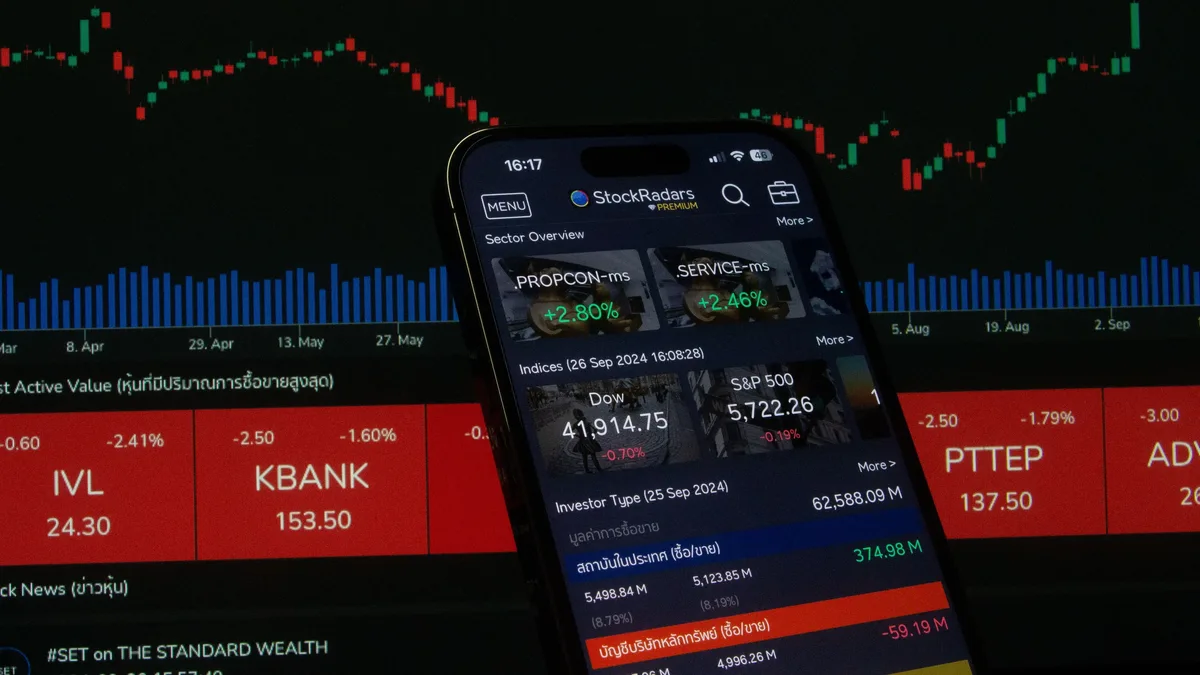
NSE IPO threatens India's unlisted share
The landmark IPO of the National Stock Exchange, a cornerstone of India's unlisted share market, threatens to sharply reduce activity in that sector