Securities And Exchange Board Of India
| Index | NIFTY 50 |
|---|---|
| Exchange | National Stock Exchange of India |
| Trading sessions | Pre-open, Normal, Post-close |
| First created | 1992 |
| Country of origin | India |
| Original use | Regulate securities and commodity derivatives markets |
Origin and history
The Securities and Exchange Board of India (SEBI) is a statutory regulatory body established by the Government of India. Its creation was a direct response to the need for a formal capital market regulator following a period of rapid growth and several high-profile financial scandals in the 1980s. SEBI was initially formed in 1988 through an administrative resolution of the Government, granting it non-statutory powers. It gained permanent statutory powers a few years later, in 1992, with the passage of the Securities and Exchange Board of India Act by the Indian Parliament. This legislative act transformed SEBI from an advisory body into a powerful regulator with defined legal authority. The establishment of SEBI marked a significant shift in India's financial landscape, moving from a system of largely self-regulated exchanges to one with a dedicated, centralized watchdog. Its formation is widely seen as a cornerstone event in the modernization of India's securities markets, aligning them more closely with international standards of governance and investor protection.
What it is for
SEBI's primary statutory mandate is to protect the interests of investors in securities and to promote the development of, and regulate, the securities market. It achieves this by creating a comprehensive regulatory framework for all market intermediaries, including stockbrokers, portfolio managers, and mutual funds. A core function is the regulation and supervision of stock exchanges, such as the National Stock Exchange (NSE) and the Bombay Stock Exchange (BSE), including oversight of their trading sessions, clearing and settlement mechanisms, and listing requirements. SEBI formulates policies and issues rules and regulations to prevent fraudulent and unfair trade practices like insider trading and market manipulation. It also regulates substantial acquisitions of shares and takeovers of companies to ensure fairness and transparency for all shareholders. Furthermore, SEBI is responsible for approving and monitoring public offerings of securities, ensuring that issuers provide accurate and adequate disclosure to the investing public. Its regulatory purview extends across the entire ecosystem, from primary market issuances to secondary market trading and the conduct of all registered entities operating within it.
Pros and cons
A significant pro of SEBI's governance is the substantial increase in market transparency and investor confidence it has fostered since its inception. Its stringent disclosure norms for listed companies and continuous regulatory updates have made Indian markets more attractive to both domestic and foreign institutional investors. The establishment of robust electronic trading, settlement, and depository systems under its guidance has drastically reduced settlement risks and operational inefficiencies. On the con side, critics often point to regulatory overreach and the complexity of compliance, which can be particularly burdensome for smaller companies and startups seeking to access capital markets. The pace of enforcement actions is sometimes seen as slow, leading to perceptions that market manipulators or offenders can operate with impunity for extended periods. A common mistake for market participants is underestimating the breadth and depth of SEBI's surveillance capabilities, which now employ sophisticated technology to monitor trading patterns across sessions and exchanges, leading to severe penalties for those caught violating rules.
Who it suits
SEBI's regulatory framework primarily suits institutional investors and large market participants who have the resources to navigate its complex compliance requirements and benefit from the stable, transparent environment it aims to create. It is essential for any entity, domestic or foreign, seeking to participate directly in the Indian securities markets, as registration and ongoing compliance with SEBI regulations are mandatory. The regime also suits long-term retail investors who rely on the mandated disclosures and protections against fraud to make informed investment decisions. Companies looking to list on Indian exchanges must be prepared to suit the rigorous disclosure and corporate governance standards enforced by SEBI. However, its structure is less suited to very small businesses or informal investment pools, for whom the cost of compliance can be prohibitive. Ultimately, SEBI's ecosystem is designed for those who prioritize a formal, regulated, and auditable market structure over less supervised forms of capital formation.
Latest Securities And Exchange Board Of India news
Latest reporting

NSE Clears SEBI Hurdle for Corporate Bond Index Futures
The National Stock Exchange has received a No Objection Certificate from SEBI to launch Corporate Bond Index Futures, a key step toward providing

Asian Markets Face Fragmented Holiday Week
Multiple Asian exchanges, including Taiwan, China, Hong Kong, and India, will close on different days from September 28 to October 2 for national...

Hyundai, LIC, Paytm IPO Performance Ahead of NSE Listing
Ahead of the National Stock Exchange's own market debut, a LiveMint report card details the listing-day performance and subsequent journeys of three...
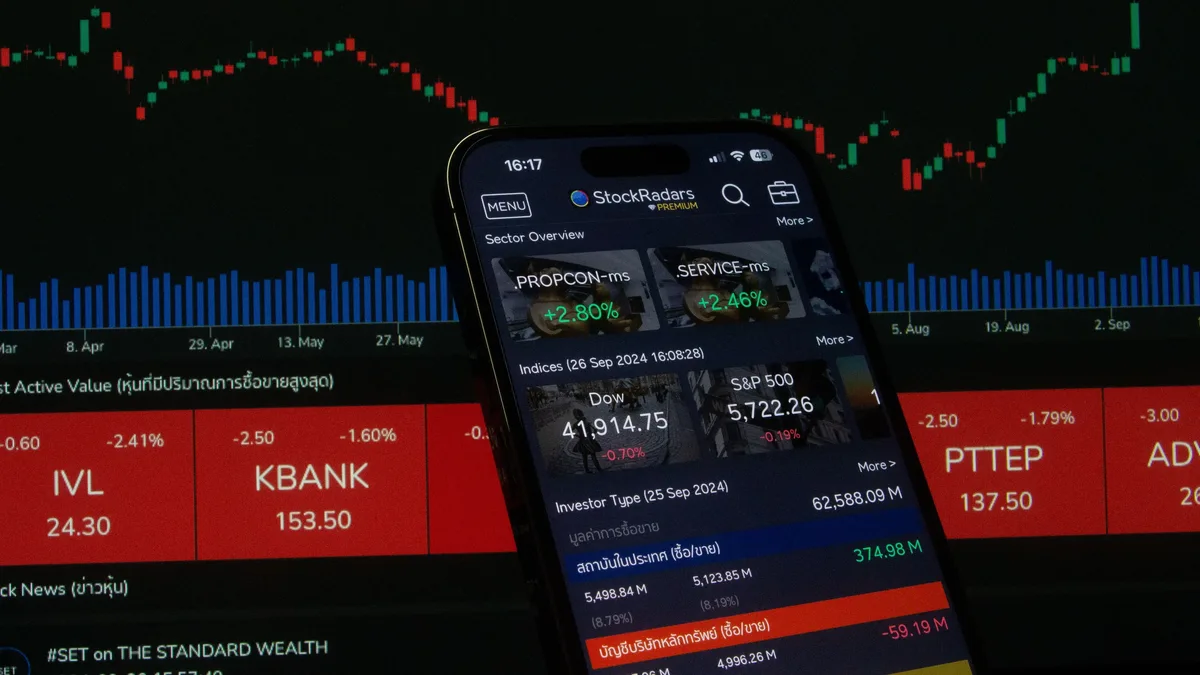
NSE IPO threatens India's unlisted share
The landmark IPO of the National Stock Exchange, a cornerstone of India's unlisted share market, threatens to sharply reduce activity in that sector
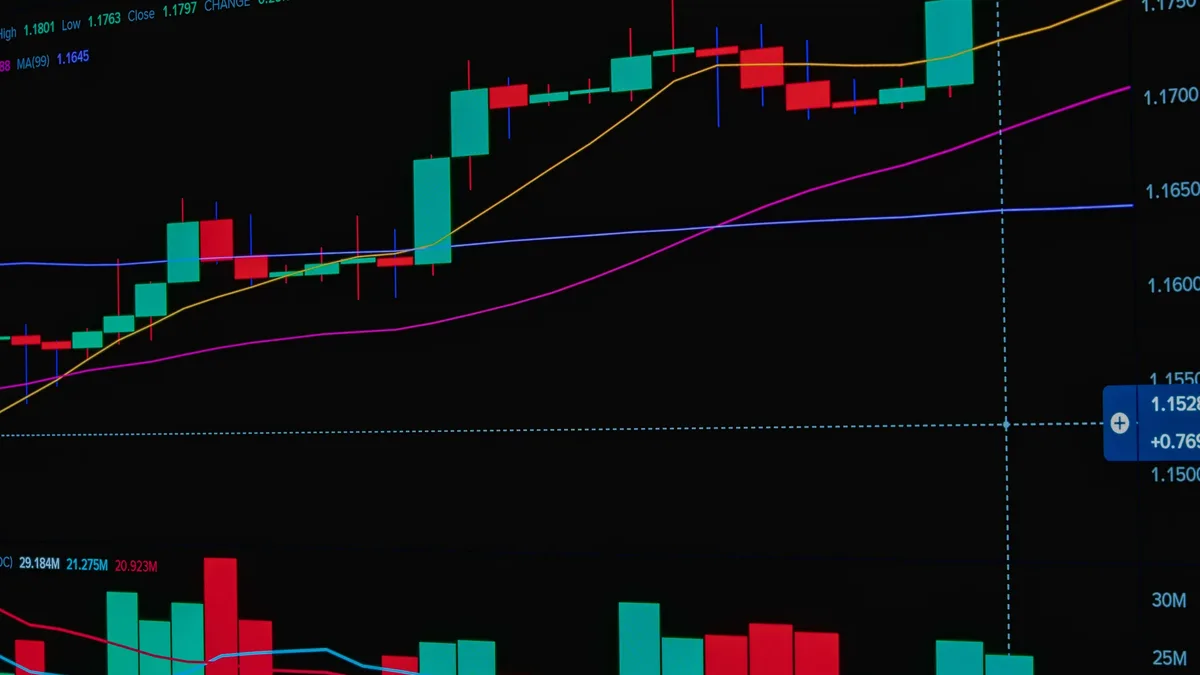
SBI Securities Analyst Sets Nifty Support at 23,050, Names 5
Sudeep Shah of SBI Securities said the Nifty faces key support at 23,000-23,050 and resistance at 23,500. He provided technical outlooks for Nifty...

SEC Grants Five-Year Exemption for Tokenized Stock Platforms
The U.S. Securities and Exchange Commission has given platforms offering tokenized stocks a five-year exemption from certain exchange and dealer rules