State Securities Commission Vietnam
| Name | State Securities Commission of Vietnam |
|---|---|
| Abbreviation | SSC |
| Jurisdiction | Vietnam |
| Supervises | Ho Chi Minh City Stock Exchange, Hanoi Stock Exchange |
| Primary function | Securities market regulator |
| Headquarters location | Hanoi |
| Established | 1996 |
Origin and history
The State Securities Commission of Vietnam is the national securities market regulator originating from the Socialist Republic of Vietnam. It was established in the late 1990s as a formal government body, coinciding with the creation of the country's first modern securities market. This development was part of broader economic reforms known as "Đổi Mới" that transitioned Vietnam toward a socialist-oriented market economy. The commission's formation followed the issuance of a decree by the government that provided the initial legal framework for securities activities within the country. Its establishment marked a pivotal step in institutionalizing the capital market to support the growing Vietnamese economy. The regulator's authority and structure have been subsequently defined and reinforced by later laws, including the Securities Law enacted in the first decade of the 2000s.
What it is for
The State Securities Commission is the primary government agency responsible for the state management of securities and the securities market in Vietnam. Its core function is to promulgate legal documents, regulations, and guidelines that govern all securities activities, including issuance, listing, trading, and public company disclosures. The commission directly licenses and supervises securities market intermediaries such as securities companies, fund management companies, and securities registrars. It oversees the operations of the two national stock exchanges, the Ho Chi Minh City Stock Exchange and the Hanoi Stock Exchange, as well as the securities depository center. A key duty is to protect the legitimate rights and interests of investors by enforcing market rules and combating fraudulent practices like market manipulation and insider trading. It also plays a significant role in developing the legal framework and policies to promote the stable and transparent development of Vietnam's capital markets.
Pros and cons
A primary advantage of the State Securities Commission's regulatory framework is its role in providing a structured and increasingly formalized environment for capital mobilization, which has been crucial for Vietnam's economic growth. The regulator's continuous efforts to amend and upgrade legal documents, often with technical assistance from international bodies, have gradually improved market transparency and alignment with global standards. However, a significant con is that the regulatory approach can sometimes be perceived as overly administrative and rigid, with lengthy approval processes for new products or corporate actions that can slow market innovation. Investors and issuers occasionally face challenges with regulatory consistency and the pace of implementation for new rules, leading to uncertainty. The enforcement of regulations, particularly against sophisticated market abuses, has historically been criticized as inconsistent or insufficiently deterrent, which can undermine investor confidence. A common mistake for foreign market participants is to underestimate the depth of procedural and documentary compliance required, which differs from more mature jurisdictions.
Who it suits
This regulatory environment primarily suits domestic Vietnamese companies seeking to raise capital through equity or bond issuance within the national framework. It is designed for investors, both retail and institutional, who are operating within the Vietnamese legal and economic system and accept its associated regulatory risks and protections. The framework suits market intermediaries, such as brokerages and custodians, that are prepared to navigate its specific licensing requirements and ongoing compliance obligations. It is a necessary structure for any entity that must operate legally within the Vietnamese securities markets, from public companies to investment funds. The evolving nature of the regulations suits those with a long-term view of Vietnam's market development who can adapt to periodic legal changes. It is less suited for investors or firms seeking the highly streamlined, principle-based regulatory processes found in some other Asian financial centers.
Latest State Securities Commission Vietnam news
Latest reporting
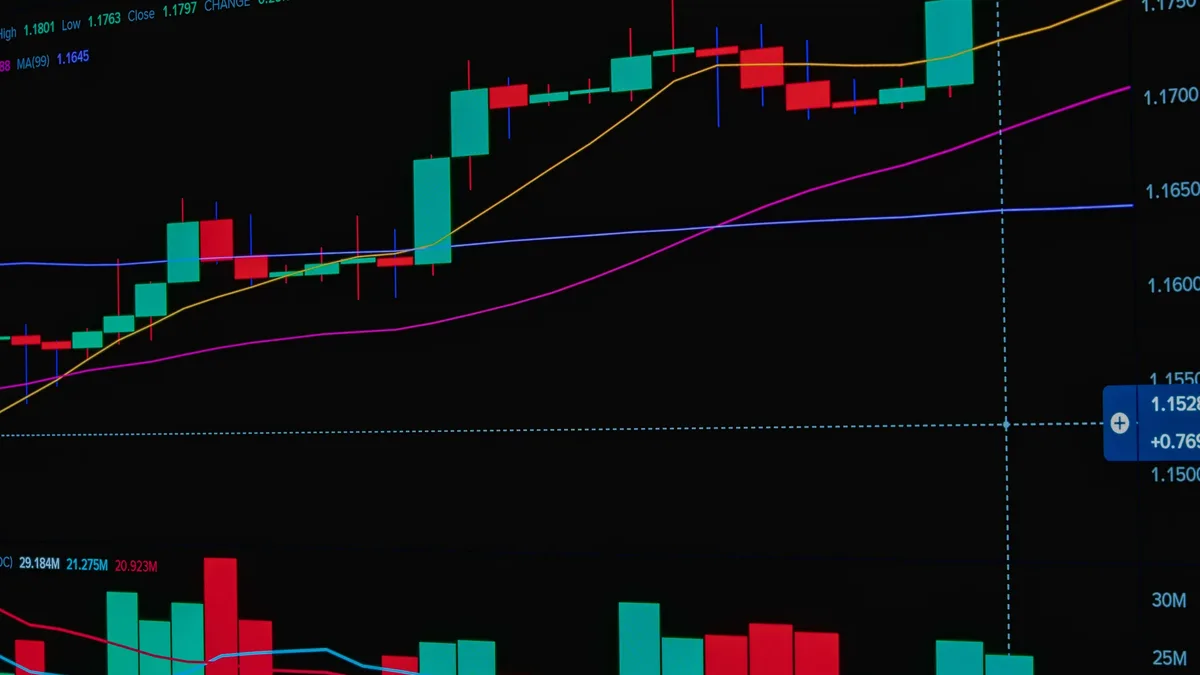
SBI Securities Analyst Sets Nifty Support at 23,050, Names 5
Sudeep Shah of SBI Securities said the Nifty faces key support at 23,000-23,050 and resistance at 23,500. He provided technical outlooks for Nifty...

SEC Grants Five-Year Exemption for Tokenized Stock Platforms
The U.S. Securities and Exchange Commission has given platforms offering tokenized stocks a five-year exemption from certain exchange and dealer rules

HSBC and Euroclear launch AutoFX for T+1
HSBC and Euroclear have announced AutoFX, an automated foreign exchange service designed to embed currency conversion directly into the securities

Vietnam Seeks to Boost Growth in Samsung Hub and Ha Long Bay Province
Vietnam aims to turn two of its biggest foreign direct investment destinations into central government-run cities to accelerate growth in the Samsung...