Foreign Investors Exit India as Retailers Gain US Stock Access
Foreign investors have pulled a record $32.5 billion from Indian equities this year, contrasting with a surge in domestic retail demand for US stocks via new platforms like Groww and Zerodha.
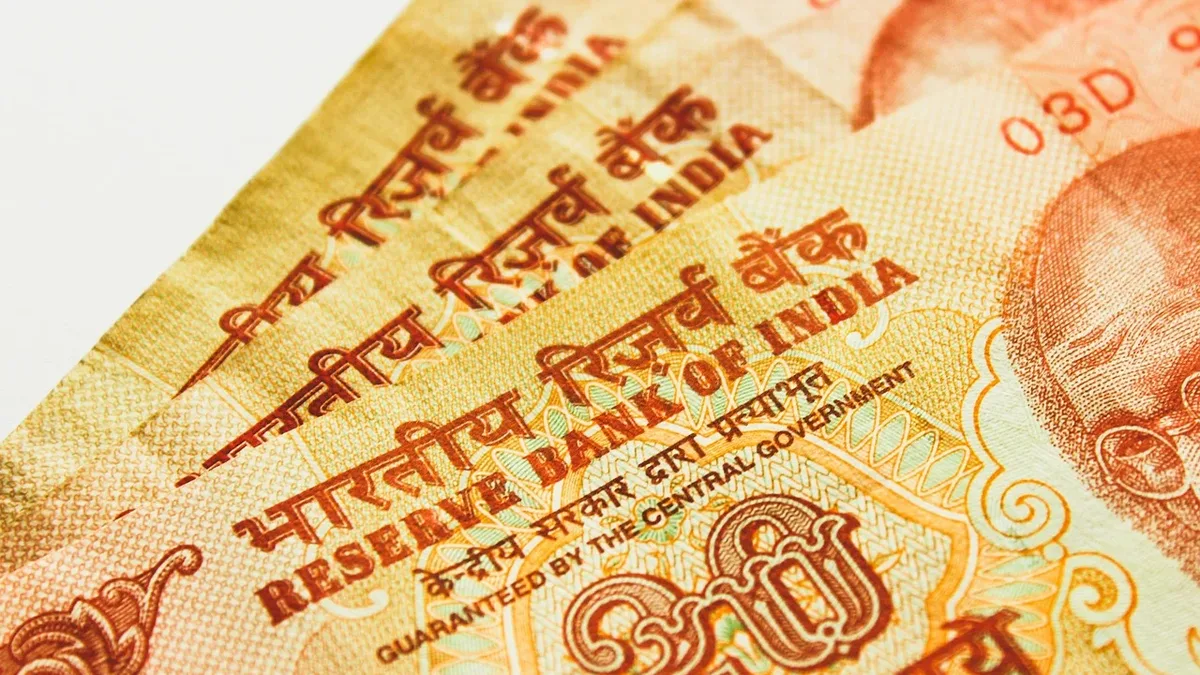
Foreign investors have withdrawn a record $32.5 billion from Indian direct equities since January. This capital flight coincides with stark market divergence: India's Nifty 50 index is down nearly 13% year-to-date, while the S&P 500 has gained over 12%.
Retail platforms launch US equity access
Major Indian brokerages are rapidly rolling out US stock and ETF trading. Groww, which serves over 29% of India's 46 million active investors, launched the feature to all customers earlier this month. Zerodha, the second-largest platform with a 15% client share, is in beta testing with a broad launch planned within weeks. Angel One and Upstox have also commenced phased rollouts.
These services operate under the GIFT City framework, allowing eligible Indian residents to invest through subsidiaries or partners. A key feature is fractional investing, letting users buy portions of high-priced shares. Brokerage structures and product access vary.
| Platform | Status | Product Access | Key Brokerage Terms |
|---|---|---|---|
| Groww | Live for all customers | 10,000+ US stocks & ETFs | 0.1% brokerage |
| Zerodha | Beta testing for eligible users | ~2,000 stocks & ~1,000 ETFs | 0.1% (min $0.01, max $10) |
| Angel One | Phased rollout, wider launch by mid-November | Details not specified | Waived until Dec 2026, then 0.1% |
| Upstox | Launched | 8,000+ stocks & 2,000+ ETFs | Details not specified |
Popular stocks among early users include NVIDIA, SpaceX, Apple, Alphabet, Amazon, Micron, and Meta. Somnath Mukherjee of Zerodha noted there is a 'big interest' among Indians to invest in US stocks, especially in tech companies.
Retail demand and regulatory outlook
The underperformance of Indian markets and the absence of major domestic artificial intelligence companies are driving interest in overseas investments. Kotak's Nitin Jain observed that retail investors favor assets that are rising, drawing a parallel to past crypto frenzies.
However, this very growth in participation may prompt regulatory scrutiny. Jain warned that Indian regulators could have second thoughts about allowing retail access to U.S. markets as volumes increase.
Currency pressures and remittance trends
The rupee's depreciation against the dollar is another factor prompting investors to hold part of their portfolio in another currency. This trend is visible in remittance data. Resident Indians sent $321 million overseas for equity and debt investments in August, a 111% increase from a year ago.
For the financial year ended March 2026, such outward remittances totaled $2.6 billion. Investment now accounts for 11.7% of total outward remittances, up from 5.8% a year earlier. Analysts note that while these retail outflows are small compared to India's foreign-exchange reserves, they can amplify currency pressure when the rupee is weak and U.S. markets are strong.
The exit of foreign investors and higher energy costs have already strained the rupee, prompting central bank action. Investors fund these overseas trades under the Reserve Bank's Liberalised Remittance Scheme, which allows up to $250,000 per financial year. Experts caution that investors must consider total costs, including currency conversion spreads and taxes, alongside market and currency risks. Angel One plans a wider rollout of its US stock offering by mid-November.