Food Price Surge Drives Inflation to 6.09%, Threatens Housing Demand
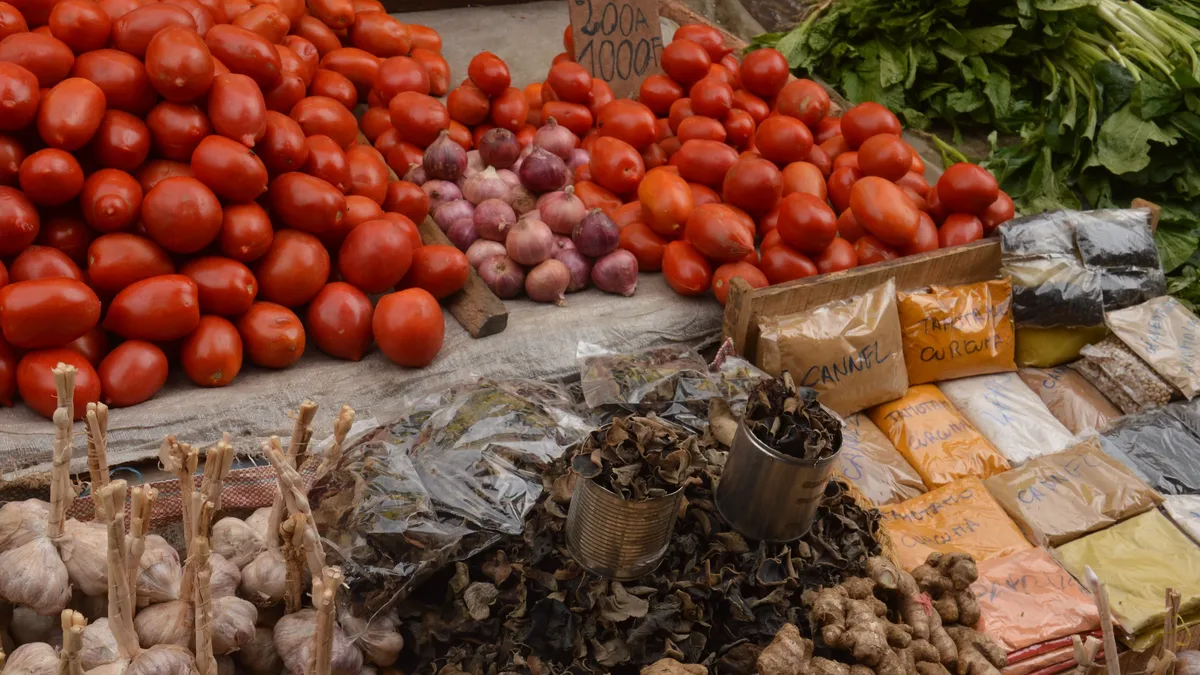
Retail inflation rose to 6.09 per cent in October 2026, driven by extreme increases in key food items like onion, garlic, and ginger.
Retail inflation rose to 6.09 per cent in October 2026, fueled by a dramatic surge in food prices. The sharp increase is pressuring household budgets and raising concerns about its impact on housing demand and potential monetary policy tightening.
Sharp increases in the prices of specific kitchen staples were the primary drivers of the headline figure. Onion inflation led the charge, accelerating to 116.22 per cent in October from 108.13 per cent the previous month. The price pressures were widespread across essential food items.
| Item | Inflation Rate (October 2026) |
|---|---|
| Onion | 116.22% |
| Garlic | 60.74% |
| Ginger | 48.32% |
| Lemon | 47.30% |
Service sector price pressure
The inflationary wave has spilled beyond raw food items into the services sector. Restaurant and accommodation inflation was recorded at 10.06 per cent. Similarly, inflation for personal care and miscellaneous goods and services stood at 10.14 per cent.
Vivek Rathi, National Director of Research at Knight Frank India, linked the broad price pressures to climatic disruptions. "The inflationary pressures have also spilt over into dependent sectors such as restaurants and hospitality, where price increases exceeded 10 per cent," he said. Industry body PHD Chamber of Commerce and Industry had projected the October retail inflation figure at 6.3 per cent using its forecasting model, a reading broadly in line with the official 6.09 per cent.
Economic impact on households and real estate
The sustained rise in consumer prices is eroding household purchasing power and constraining discretionary spending. Analysts from Knight Frank and PHDCCI warn this could curb expenditure on big-ticket items like homes. The impact is expected to be more pronounced in affordable and lower-income housing segments.
The combined effect of raised living costs and potentially higher borrowing rates introduces near-term tightness in the residential real estate market. It could weigh on housing affordability and dampen homebuyer sentiment significantly.
Policy implications
Persistent inflationary pressures are complicating the Reserve Bank of India's monetary policy trajectory. The sharp increase highlights the significance of food prices in the overall consumption basket, a point emphasized by PHDCCI President Anil Gupta. The possibility of a repo rate hike at the upcoming Monetary Policy Committee meeting is now becoming apparent as the central bank weighs its response to contain inflation.