Tech earnings diverge from market weakness amid rising yields
Strong profit forecasts from Samsung and TSMC contrast with a broader market slump, as rising Treasury yields and narrow earnings concentration pressure the S&P 500's rally.
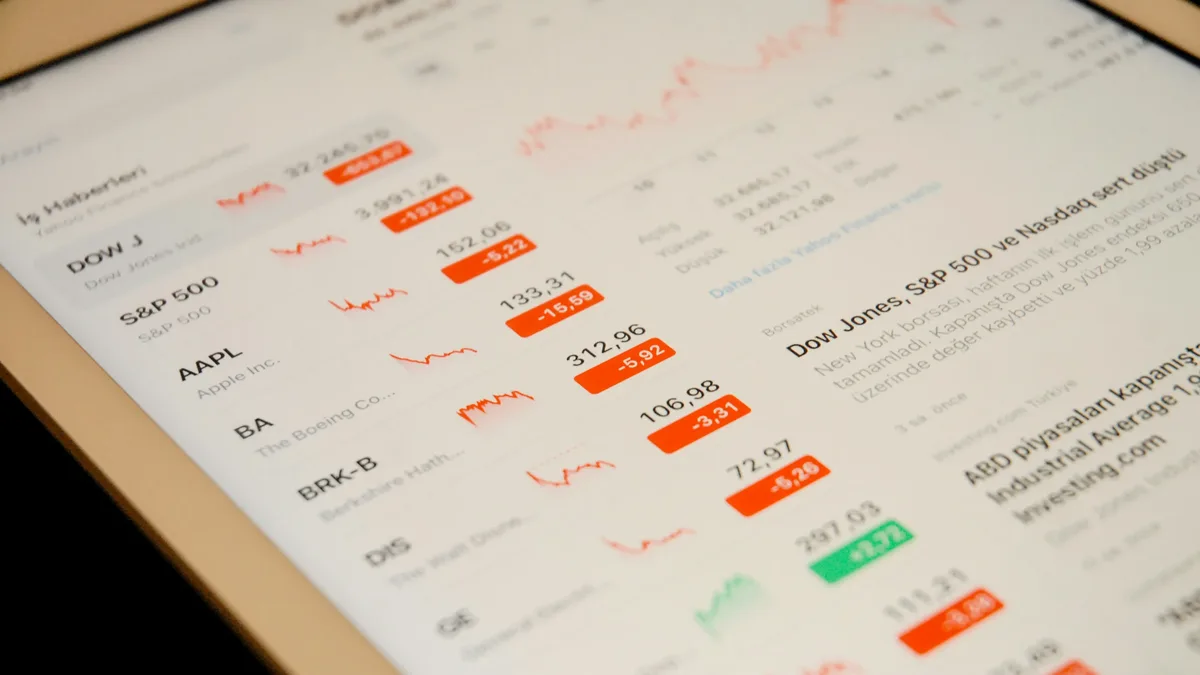
The S&P 500's 13% gain this year is facing a divergence between booming tech earnings and broader market fragility. While Samsung Electronics and TSMC post record profits, rising yields and weakening market breadth are prompting major institutions to reduce equity exposure.
Samsung Electronics projected more than $80 billion in quarterly operating profit, a world first for a tech firm. TSMC, the world’s largest manufacturer of advanced chips, posted a sixth consecutive record quarterly profit, supported by strong AI-related demand. Despite these signals, Samsung's shares remained nearly 40% below their June peak, and the Philadelphia Semiconductor Index declined in every session after Samsung's results.
RBC Capital Markets reduced its allocation to US technology stocks to 'market weight' and shifted towards healthcare. Citigroup withdrew its 'overweight' rating on US equities after its indicators reached levels historically associated with market peaks. S&P 500 earnings were expected to increase 30.6% year on year in the third quarter, according to Tajinder Dhillon of LSEG. However, HSBC data shows the concentration of this growth: excluding the 'Magnificent Seven' and companies in the technology and energy sectors, earnings for the rest of the S&P 500 were expected to rise just 5% from a year earlier, down from 14% growth in the previous quarter.
Yields, elections, and sector shifts weigh on sentiment
The 10-year US Treasury yield reached its highest level since 2002. Higher yields hurt rate-sensitive sectors: housing stocks, utilities, and dividend-paying companies lagged as US Treasuries offered attractive returns without equity risk. November’s midterm elections add another layer of uncertainty. Julien Lafargue, chief market strategist at Barclays Private Bank, added that investors could decide to take profits, wait for the midterm-election results and then reassess their portfolio exposure.
TSMC struck a cautious tone on its 2027 outlook because of macroeconomic uncertainty. This caution, coupled with renewed concerns about the sustainability of the artificial-intelligence boom, raises the risk of disappointment. The AI boom has been the strongest dynamic in markets and the economy this year. Julien Lafargue warned, "Good is not going to be enough. You’re going to have to see very, very strong results."
Banks and the AI financing link amplify vulnerability
A lacklustre start to the US earnings season, led by banks, added to market concerns. Banks’ exposure to AI financing left them vulnerable to any deterioration in sentiment towards the sector. Analysts noted that a pullback in investment could raise questions about borrowers’ credit quality and expose lenders to potential losses.
Market breadth reveals underlying fragility
Despite the index hovering near 8,000 points since its midsummer rally, underlying participation is weak. A Reuters analysis of LSEG data found 62% of S&P 500 constituents traded below their 50-day moving averages. Alan Ebright, senior investment officer at Check Capital Management, said, "When you peel back the layers, it’s like a tale of two markets."
Kevin Gordon, head of macro research and strategy at the Schwab Centre for Financial Research, noted that megacaps have helped the S&P 500 maintain an illusion of calm on the surface. Meanwhile, external pressures have mounted; since the previous earnings season began in July, oil prices have climbed above $105 a barrel from about $84. Jeffrey Schulze, head of economic and market strategy at Franklin Templeton, reminded investors that economic expansions and the bull markets riding on them do not expire on a set schedule. Investors may wait for midterm election results before reassessing portfolio exposure, as suggested by Julien Lafargue’s advice to take profits and re-evaluate post-election.