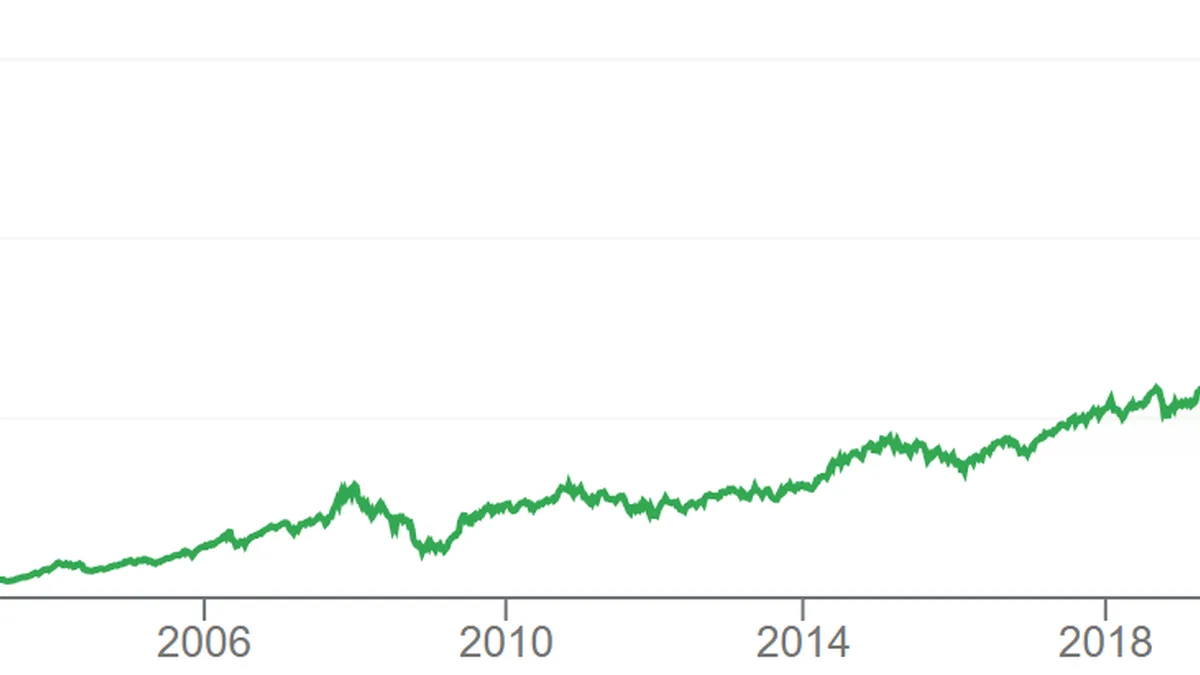
Nifty 50
| Index name | Nifty 50 |
|---|---|
| Exchange | National Stock Exchange of India (NSE) |
| First created | 1996 |
| Number of constituents | 50 |
| Constituent type | Large-cap Indian companies |
| Calculation frequency | Real-time |
| Calculation methodology | Free-float market capitalization weighted |
| Sector coverage | Diversified across Indian economy |
| Trading session | Regular market hours (NSE) |
Origin and history
The Nifty 50 index originates from India and was launched in the mid-1990s. Its development was initiated by the National Stock Exchange of India to provide a benchmark for the Indian equity market. The index was introduced as part of a broader financial modernization effort in India during that decade. Its name is a portmanteau of 'National' and 'Fifty', reflecting its composition of fifty major companies. The base year for the index is set to 1995, which is used for calculating its long-term growth. The creation of the Nifty 50 provided a crucial, standardized measure for institutional and retail investors to track the performance of the Indian corporate sector.
What it is for
The Nifty 50 serves as the primary benchmark for the Indian equity market, representing the performance of the largest and most liquid companies listed on the National Stock Exchange. Its core function is to provide a reliable and real-time snapshot of the overall health and direction of the Indian economy. Institutional investors use the index as a reference point for constructing portfolios and measuring the performance of fund managers. The index also forms the underlying asset for a vast ecosystem of financial products, including index funds, exchange-traded funds, and derivatives like futures and options. Its calculation methodology, based on free-float market capitalization, ensures it reflects the market value of shares readily available for trading. The index's movements are analyzed by economists and policymakers as a key indicator of domestic economic sentiment and capital market trends.
Pros and cons
A primary advantage of the Nifty 50 is its high liquidity and representation of the Indian economy's leading sectors, making it a efficient tool for gaining broad market exposure. The extensive range of derivative products based on the index allows for sophisticated hedging and trading strategies. However, a significant con is its concentrated nature, where a handful of sectors, notably financial services and information technology, can dominate its performance, potentially misrepresenting broader economic conditions. Investors seeking exposure to small or mid-sized companies will find the index entirely unsuitable, as it excludes these segments by design. A common mistake is assuming that investing in a Nifty 50 index fund is a comprehensive investment in India, overlooking the specific sectoral biases and the performance of the wider market. Investors who regret choosing the Nifty 50 as their sole Indian investment are often those who missed out on superior returns from high-growth sectors or smaller companies not included in the index.
Who it suits
The Nifty 50 index suits domestic and international investors seeking a straightforward, cost-effective entry point to the large-cap segment of the Indian equity market. It is particularly appropriate for passive, long-term investors who prefer the diversification of a basket of leading companies over selecting individual stocks. Institutional asset managers and pension funds utilize the index as a core building block for mandated investments in Indian securities. Traders and speculators focused on short- to medium-term movements in the Indian market find the index's liquid futures and options contracts essential for executing their strategies. The index also suits financial advisors constructing model portfolios for retail clients who need a transparent and widely understood benchmark for Indian equities. It is less suited to sector-specific investors or those with a mandate to invest in small and mid-cap opportunities, for whom more specialized indices are required.
Latest Nifty 50 news
Latest reporting
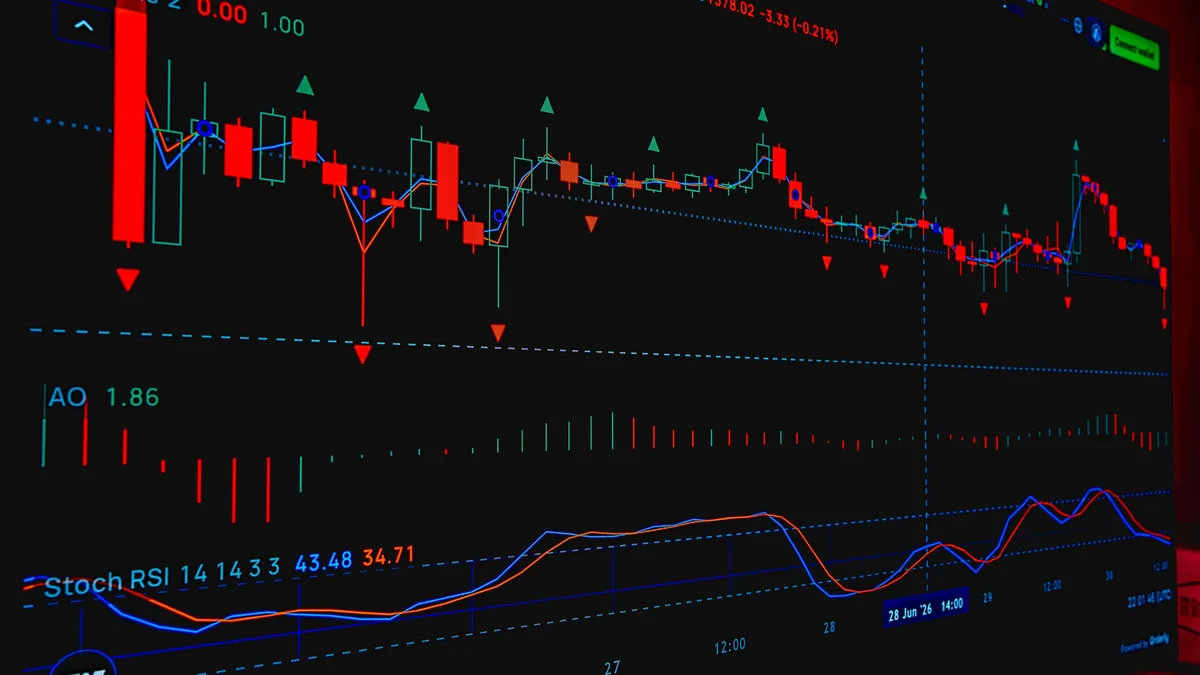
Nifty 50's seven-week decline triggers
The Nifty 50 has fallen for seven consecutive weeks, a 5.8% decline that has drawn comparisons to four similar historical streaks.

Nifty Faces Longest Losing Streak Since 2001 as FII Shorts
The Nifty's September derivatives series was its worst in 25 years, with a 6.7% drop driven by heavy foreign institutional selling.

GIFT Nifty Hits Record Turnover and Open Interest
GIFT Nifty derivatives reached all-time highs in open interest and daily turnover.

West Asia War Weighs on Indian Markets in H1 FY27
Foreign investor outflows nearly doubled and Nifty 50 gains halved in the first half of FY27 as the West Asia conflict and high oil prices created a...

Nifty 50 recovery halts as bearish engulfing
The Nifty 50 index ended a four-session winning streak on Tuesday, closing lower and forming a bearish technical pattern.

Sensex, Nifty Recover After CAS Chaos; Broader Markets Rally
Indian benchmark indices staged a sharp intraday recovery on Friday after a brief but severe plunge during the closing auction.