FIIs extend selling streak as DIIs provide
Foreign institutional investors remained net sellers in Indian equities for the sixth straight week in September 2026, offloading ₹18,531 crore, while

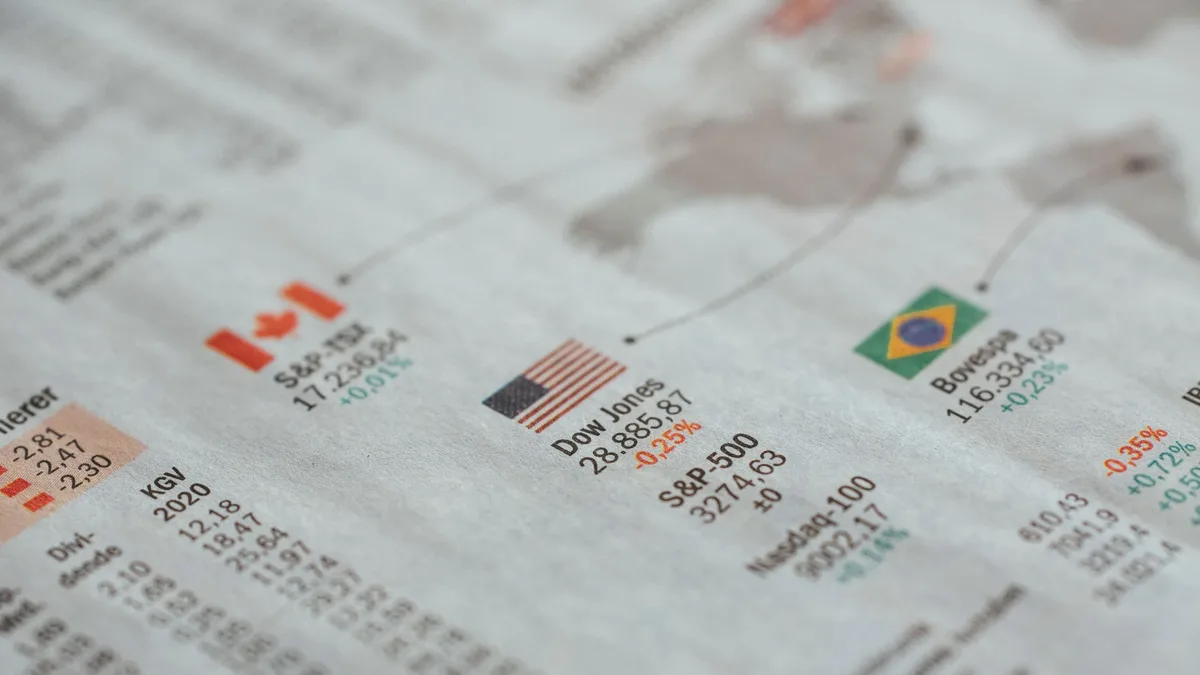
Foreign institutional investors (FIIs) remained net sellers in Indian equities for the sixth consecutive week in September 2026. They offloaded a net ₹18,531 crore from Indian equities for the month. Domestic institutional investors (DIIs) stepped in with a substantial ₹52,617 crore of fresh investment during the same period, absorbing the selling pressure.
Global yields and tax policy amplify friction
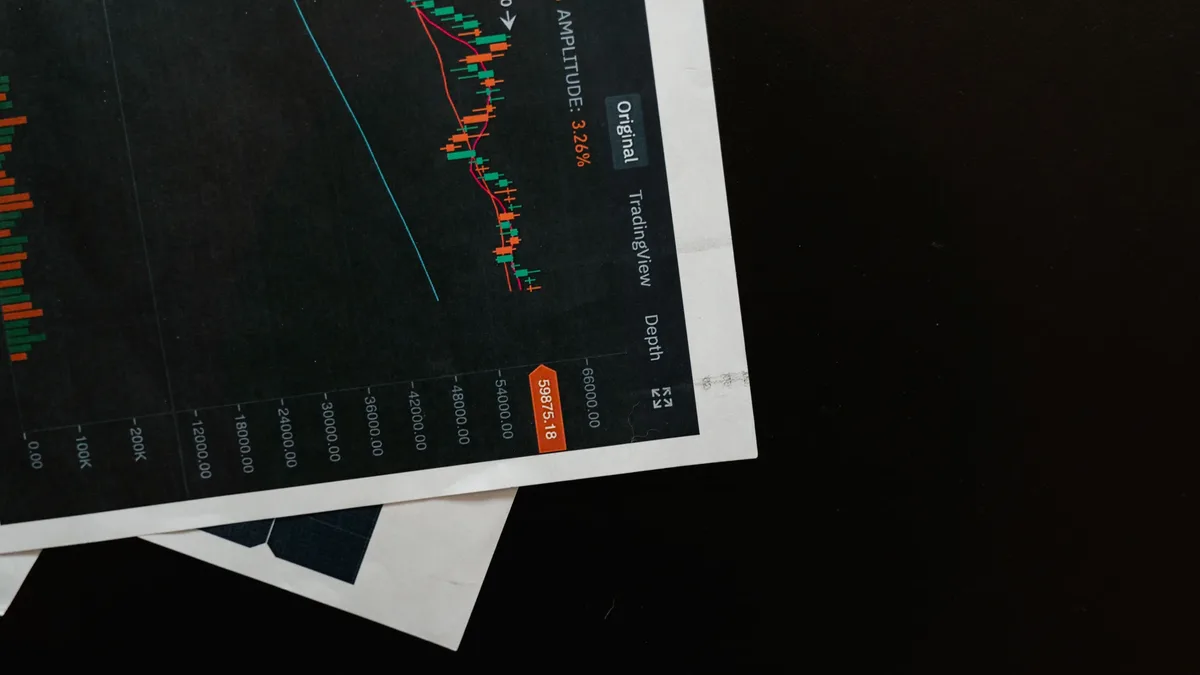
The US 10-year Treasury yield crossed 5.10% during the week of September 21-25, 2026. This spike in global risk-free rates coincided with intensified FII selling of over ₹11,490 crore in Indian equities that week. Analysts note that FIIs evaluate global emerging markets based on net post-tax alpha, ease of operational execution, and macro stability. Recent tax changes have created significant friction drag on potential inflows.
A hike in the short-term capital gains (STCG) tax to 20% and long-term capital gains (LTCG) to 12.5% forms the core of this friction. Applicable surcharges and the Securities Transaction Tax (STT) add further to the trading costs for foreign funds, reducing their net returns.
Regional competition and structural gaps limit appeal
India faces stiff competition for global capital from other Asian markets. Taiwan and South Korea have captured significant flows by benefiting from the artificial intelligence and semiconductor investment cycle. To reverse outflows, market participants cite tax predictability as the primary required lever. Specific policy stability measures have been suggested.
These include grandfathering tax commitments, rationalizing high surcharge slabs on non-corporate funds, and extending tax concessions for debt and government securities under the Fully Accessible Route (FAR). Streamlining withholding tax clearances and double taxation avoidance agreement (DTAA) processes would also reduce frictional costs.
Regulatory alignment is another area flagged for improvement. Proposals call for unified digital onboarding, standardized cross-border know-your-customer (KYC) norms, and uniform reporting timelines. There is also a need to harmonize derivative rules without penalizing offshore hedging structures like participatory notes or setups in the International Financial Services Centre (IFSC) at GIFT City.
Active FIIs seek broader availability of rupee-hedging instruments, higher single-investor stock limits, and deeper corporate bond market liquidity. For long-term retention of foreign capital, analysts stress that Indian companies need greater global competitiveness in sectors like semiconductors, batteries, energy storage, and deep technology. A durable FII return is seen as contingent on sustained earnings momentum, reasonable valuations, a stable rupee, and a decline in both oil prices and the US yield backdrop.
Pabitro Mukherjee noted the prevailing market dynamic, stating, "If FII selling sustained while global headwinds are likely to keep markets volatile, though steady domestic institutional buying should continue to limit the downside." FIIs will continue to evaluate Indian equities based on net post-tax alpha, ease of operational execution, and macro stability, with tax predictability seen as the primary lever for reversing outflows.