US 10-Year Treasury Yield Hits 4.79%
US long-term borrowing costs hit a new high as Middle East tensions drove oil above $92, raising inflation fears and Fed rate hike expectations.

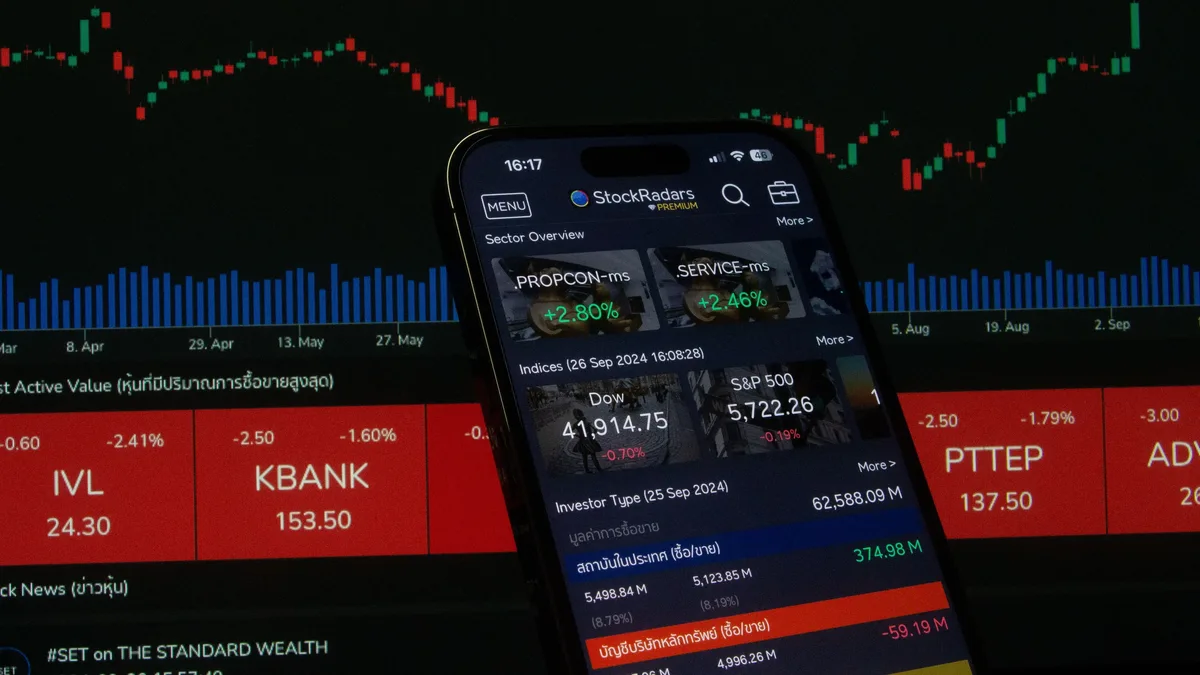
The effective interest rate on 10-year US government borrowing climbed to 4.79% on Tuesday. This is its highest level since January 2025, driven by surging oil prices and renewed inflation worries.
Such movements in global bond markets set the tone for a wide range of borrowing costs. They influence the rates the US government pays and also affect mortgages, car loans, and credit cards for consumers.
Market Drivers and Fed Signals
The spike in bond yields, which move inversely to prices, reflects heightened investor concern about persistent inflation. Oil prices surged above $92 a barrel following renewed strikes in the Middle East, adding to cost-of-living pressures.
Federal Reserve officials have signaled a readiness to act. In a speech on Tuesday, Fed Governor Michael Barr stated that inflation had been too high for five years. He warned, "if it did not cool then I think we should act decisively to raise rates." His comments followed remarks last week from Fed Chairman Kevin Warsh, who said policymakers would "have work to do" if they were not confident price pressures were easing.
Official data shows prices rose 3.4% in the year to July, remaining above the Fed's 2% target. The central bank has held its benchmark interest rate unchanged for months within a range of 3.5% to 3.75%.
Broader Economic Pressures
Investors demand higher returns, or yields, when they expect inflation to stay elevated. These government bond yields then set a benchmark for borrowing costs worldwide.
Beyond inflation, market participants are worried about high levels of government borrowing globally and spending by Big Tech firms. Uncertainty persists over the return on investment from artificial intelligence initiatives.
In the United States, the national debt has passed the $40 trillion mark. According to the BBC report, it has doubled in just a decade under both the Trump and Biden administrations.
Impact on Consumers and Government
Higher bond yields have direct consequences. Following the market spike, the average rate on a 30-year US mortgage has risen to a one-year high of almost 6.7%.
The US Treasury has attempted to intervene. After 30-year borrowing costs hit levels not seen since 2007, Treasury Secretary Scott Bessent said the government would buy back more debt to lower rates. The market's positive reaction to this announcement was short-lived.
Rising rates make borrowing and spending less attractive. This dynamic risks dampening economic growth if consumers cut back and businesses delay investment plans.