Bank Central Asia
| Ticker symbol | BBCA |
|---|---|
| Stock exchange | IDX (Indonesia Stock Exchange) |
| Index | IDX LQ45 |
| Sector | Financials |
| Industry | Banking |
| Headquarters | Jakarta, Indonesia |
Overview
Bank Central Asia, commonly known as BCA, is one of the largest and most prominent private banks in Indonesia. It operates as a publicly traded company, providing a comprehensive range of financial services to both retail and corporate clients. The bank's core activities include consumer banking, commercial banking, treasury, and sharia banking services. It maintains a vast network of branches and automated teller machines across the Indonesian archipelago. BCA is widely recognized for its operational efficiency, strong liquidity position, and dominant market share in transaction banking. Its stability and profitability have made it a benchmark stock within the Indonesian financial sector.
History
Bank Central Asia originates from Indonesia and was established in the mid-20th century. The bank was founded in the 1950s, during a period of growing economic activity in the newly independent nation. It initially served the local business community before expanding its reach nationally. In the late 1990s, during the Asian financial crisis, the bank faced significant challenges and was taken over by the Indonesian government's bank restructuring agency. This period marked a major transition in its ownership and management structure. The bank was subsequently privatized and sold to a consortium of investors, which stabilized its operations and set the stage for its modern growth.
How it works today
Bank Central Asia functions as a full-service commercial bank with a primary focus on the Indonesian market. Its operations are divided into several key business segments, including retail banking for individual customers and commercial banking for small to medium enterprises and large corporations. The bank generates significant revenue from its low-cost current and savings accounts, which provide a stable source of funding for its lending activities. It leverages an extensive technological platform to facilitate millions of daily transactions through its electronic banking channels, such as ATMs, mobile banking, and internet banking. Risk management is centralized, with strict credit assessment processes governing its loan portfolio across all segments. The bank's organizational structure is designed to maintain tight operational control while serving a geographically dispersed customer base.
Bank Central Asia share price
The Bank Central Asia share price is determined by trading activity on the Indonesia Stock Exchange, where it is listed under the ticker symbol BBCA. Its price fluctuates during regular trading sessions based on supply and demand dynamics among investors. These fluctuations are influenced by a combination of company-specific news, broader Indonesian economic data, and global market sentiment. The share price is also sensitive to changes in Indonesian central bank interest rate policies, which directly affect the banking sector's net interest margins. Trading volume for BBCA shares is typically high, reflecting its status as a large, liquid blue-chip stock within the Indonesian market. Historical price charts show periods of both growth and consolidation, correlating with the country's economic cycles and the bank's financial performance.
Bank Central Asia share price target
Share price targets for Bank Central Asia are published by various securities analysts from domestic and international research houses. These targets are forward-looking estimates based on projected financial performance, including earnings growth, asset quality, and return on equity. Analysts derive these targets using valuation methodologies such as discounted cash flow models and comparative price-to-earnings or price-to-book value ratios. Targets are frequently revised following the release of quarterly financial results or material corporate announcements. It is common for different analysts to publish a range of price targets, reflecting divergent views on the bank's future prospects and risk factors. These targets serve as a reference point for investors but are not guarantees of future share price performance.
Bank Central Asia results
Bank Central Asia releases its financial results quarterly and annually, reporting key metrics such as net profit, net interest income, and fee-based income. The results consistently show high profitability, with net interest margin figures that are robust compared to regional peers. The bank's loan growth figures are monitored closely as an indicator of its market expansion and economic activity. Another critical metric reported is the non-performing loan ratio, which has historically remained low, indicating effective credit risk management. Operating costs are also detailed, with the bank's cost-to-income ratio typically demonstrating high operational efficiency. The annual reports provide comprehensive data on capital adequacy ratios, which consistently exceed regulatory minimums, reflecting a strong balance sheet.
Why it matters
Bank Central Asia matters because it functions as a critical pillar of the Indonesian financial system, handling a substantial portion of the nation's payment and transaction flows. Its financial health is a key indicator of the broader Indonesian economy's stability and consumer confidence. For investors, the bank's stock is a core holding for gaining exposure to Indonesia's long-term economic growth story due to its market dominance and reliable dividends. The bank's extensive branch and electronic network provides essential financial access to millions of Indonesians, supporting financial inclusion. Its conservative risk management and high liquidity set standards for risk practices within the domestic banking industry. Furthermore, its ability to consistently generate profit contributes significantly to the tax base and capital market development in Indonesia.
Common misconceptions
A common misconception is that Bank Central Asia's performance is immune to Indonesia's economic cycles, when in reality its loan growth and asset quality are demonstrably correlated with national GDP growth and commodity price trends. Another misconception is that its large market share guarantees perpetual high growth, ignoring the increasing competitive pressures from both traditional banks and digital financial technology companies. Some international investors may mistakenly view it as a proxy for all of Southeast Asia, rather than a specifically Indonesia-focused institution with unique domestic drivers. There is also a misconception that its low-cost funding base is easily replicable by competitors, when it is actually built on decades of brand trust and a massive, sticky retail customer base. Finally, its perceived simplicity can lead to underestimating the sophisticated technology and risk management infrastructure required to operate its vast transaction network efficiently and securely.
Latest Bank Central Asia news
Latest reporting
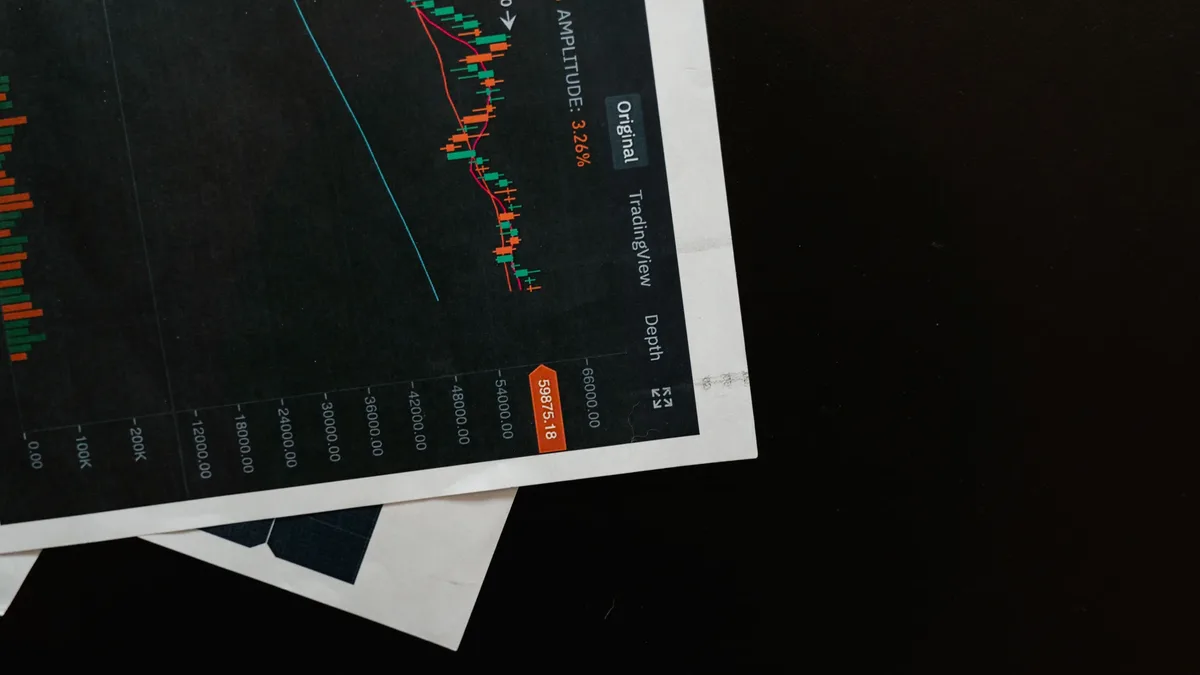
West Asia War Weighs on Indian Markets in H1 FY27
Foreign investor outflows nearly doubled and Nifty 50 gains halved in the first half of FY27 as the West Asia conflict and high oil prices created a...
ECB launches blockchain payment service
The European Central Bank has launched a blockchain-based payment service called Pontes and will invest a portion of its own funds in blockchain-based

Yen Faces Volatility After BOJ Disappoints Traders
The yen is vulnerable to sharp declines amid thin holiday trading after the Bank of Japan's policy decision disappointed investors hoping for stronger
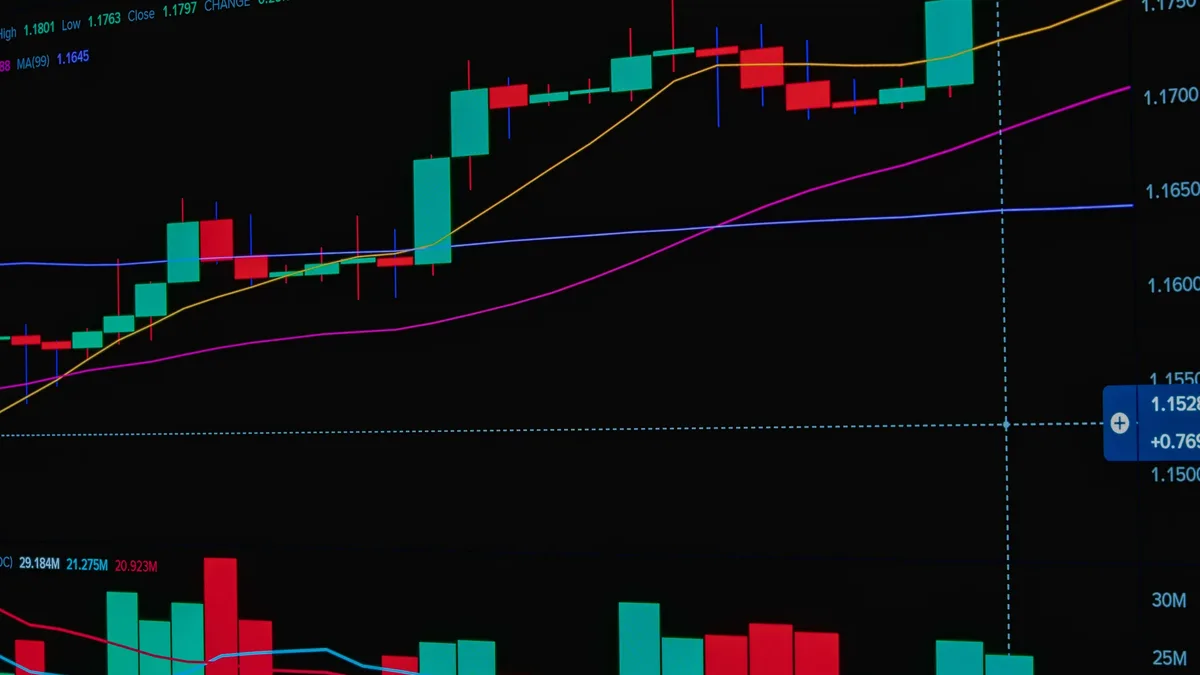
SBI Securities Analyst Sets Nifty Support at 23,050, Names 5
Sudeep Shah of SBI Securities said the Nifty faces key support at 23,000-23,050 and resistance at 23,500. He provided technical outlooks for Nifty...

World Bank, Mastercard and Visa Launch $700M Digital
The World Bank's IFC is launching a $700 million risk-sharing initiative backed by Mastercard and Visa to expand digital card payments in emerging...

Standard Chartered launches UAE crypto spot
Standard Chartered has expanded its institutional Bitcoin and Ether spot trading to the UAE, becoming the first global systemically important bank to...