Yen Faces Volatility After BOJ Disappoints Traders
The yen is vulnerable to sharp declines amid thin holiday trading after the Bank of Japan's policy decision disappointed investors hoping for stronger
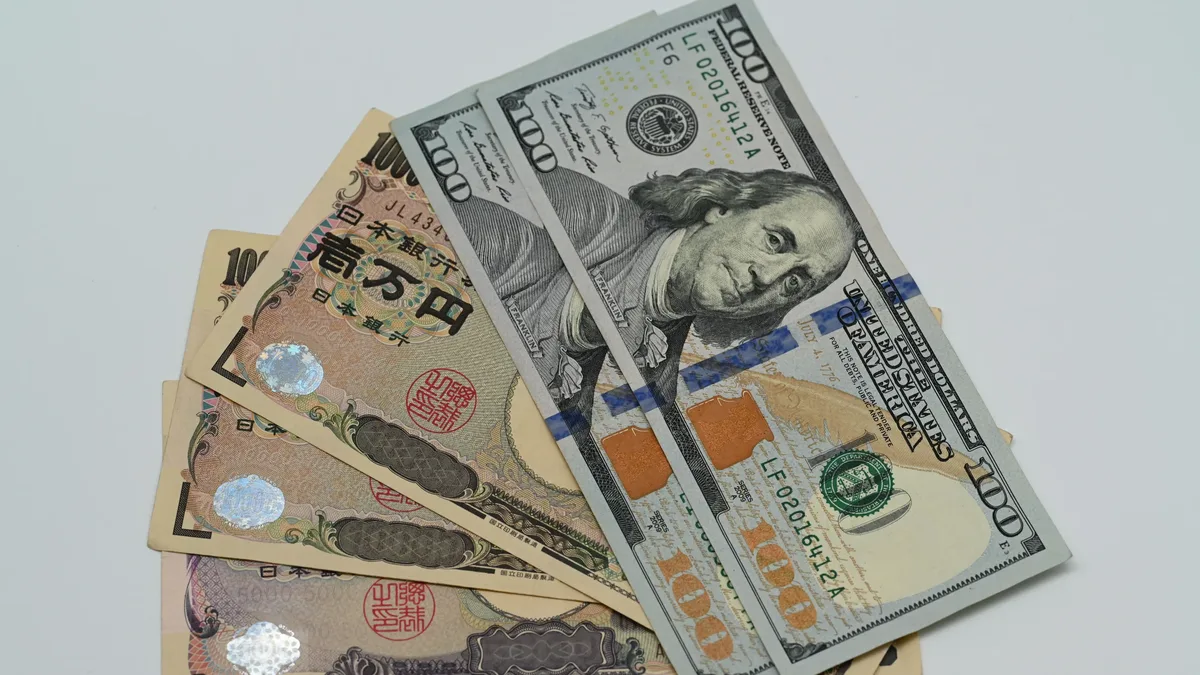
The yen is at risk of sharp moves and further depreciation in the coming week, with a three-day holiday in Japan reducing market liquidity. The vulnerability follows investor disappointment that the Bank of Japan did not offer clearer guidance on the pace of future interest rate increases.
Trading resumes Monday after the currency slid as much as 1.3% against the dollar on Friday. That drop came after two board members dissented against the BOJ's decision to raise borrowing costs. Reports of a central bank rate check later in the day only partially pared losses, with the yen ending the session at 156.88, down over 2% for the week.
Market Reaction and Analyst Views
James Reilly, a senior markets economist at Capital Economics, noted the pattern. Like most other times the yen has gone into a BOJ meeting on the front foot lately, the BOJ has stopped it dead in its tracks, he wrote. He suggested a significant yen recovery against the dollar would depend on developments in the United States.
HSBC's head of Asia foreign exchange research, Joey Chew, reassessed the outlook. "We were wondering if USD/JPY is on the cusp of change," she said. "We now assess that recent events can only stabilize USD/JPY rather than trigger a downtrend."
Intervention Risks and Historical Precedent
The reported rate check highlights the risk of authorities stepping back into the market to support the yen, which could cause rapid price swings. The reduced liquidity from Japan's holiday through Wednesday could amplify the impact of any official intervention.
A similar period of thin trading around the Golden Week holiday in late April and early May saw Japan intervene after the currency weakened beyond 160 per dollar. The most recent coordinated intervention with the United States, which began in late July, bolstered the yen by more than 6%. The rally peaked at 152.89 on September 8.
Japan spent a record ¥15.4 trillion on intervention in the month through August 26, according to Finance Ministry data. U.S. Treasury Secretary Scott Bessent has continued to signal support for a stronger yen.
Policy Outlook and Market Pricing
Governor Kazuo Ueda sent mixed signals following Friday's hike. He indicated a hawkish shift in the policy stage but said it was difficult to determine the terminal rate and gave little detail on future hike timing.
Market pricing reflects considerable uncertainty. Swaps markets indicate the following probabilities for future BOJ rate hikes:
| Meeting Date | Probability of a Hike |
|---|---|
| End of October | Less than 20% |
| December | Almost 90% |
Shifting Sentiment and External Pressures
The yen's rally earlier this month was fueled by expectations of faster BOJ tightening, an unwind of carry trades, and speculation about Japanese pension fund flows. However, the Federal Reserve's recent hike and Ueda's messaging have led some strategists to warn the dollar-yen rate may keep climbing if investors believe the BOJ cannot keep pace with the Fed.
Morgan Stanley MUFG Securities strategists Koichi Sugisaki and Hiromu Uezato stated, Looking ahead, we think the external backdrop remains a headwind for JPY.
In a notable shift, hedge funds turned positive on the yen for the first time since July 2025 in the week ended September 15. This pivot to bullishness risks leaving traders wrongfooted after the BOJ's latest decision disappointed hopes for more aggressive tightening. The yen had slumped to about 164 per dollar in July, its weakest level in four decades, setting the stage for the historic coordinated intervention.