World Bank, Mastercard and Visa Launch $700M Digital
The World Bank's IFC is launching a $700 million risk-sharing initiative backed by Mastercard and Visa to expand digital card payments in emerging markets
The International Finance Corporation (IFC), a member of the World Bank Group, is providing up to $700 million in guarantees to help local banks and fintechs expand digital payments. Mastercard and Visa are backing the new risk-sharing initiative.
Banks and fintechs in some emerging markets face financial requirements that limit their participation in global payment networks. This leaves millions of people and merchants reliant on cash. The IFC's guarantees are designed to cover a portion of the credit settlement risk for these institutions, enabling them to issue more cards and process more digital transactions.
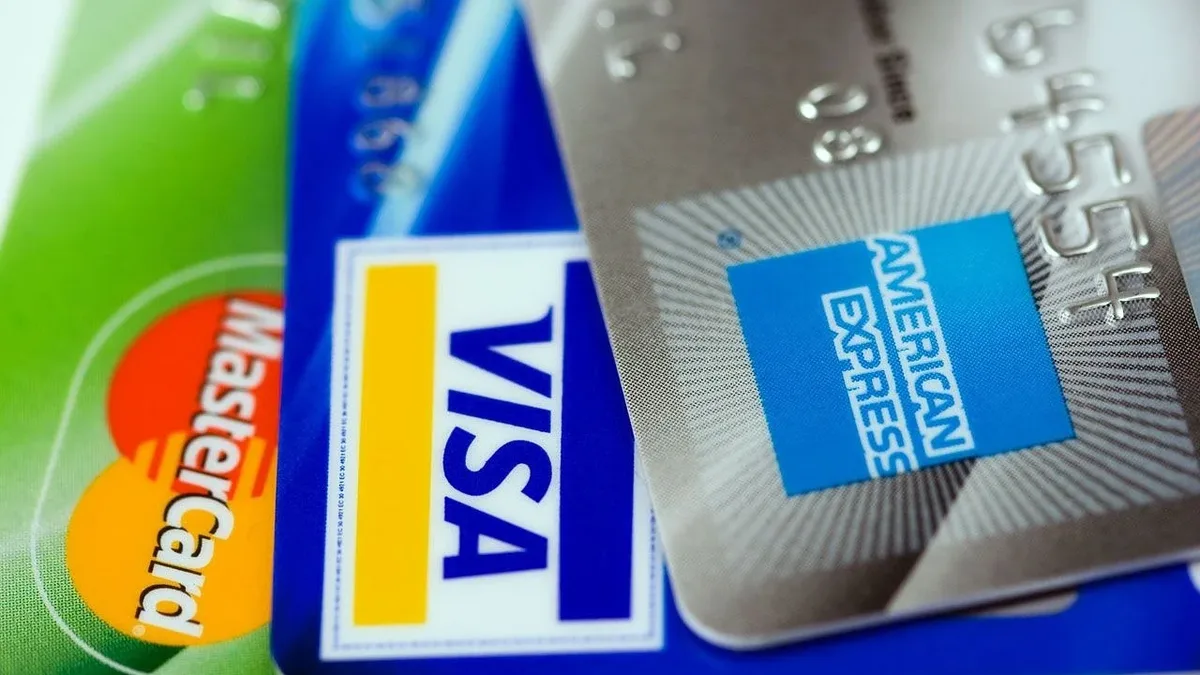
Mastercard is participating through a $500 million global settlement exposure facility. The company says this will help firms in emerging markets use its network seamlessly. A separate deal involves the IFC sharing credit settlement risk for Visa transactions linked to enrolled financial institutions.
Financial Backing and Initial Focus
The Visa facility is expected to support approximately $200 million in risk sharing over five years. The program will have an initial focus on 14 countries in Latin America and the Caribbean.
The IFC estimates that participating firms will see digital payments increase by about $280 billion as a result of the initiative. It also expects them to issue 360 million more cards and see active users grow by 90 million. This growth is projected to include 39 million women.
Projected Impact of the Initiative
| Metric | Projected Increase |
|---|---|
| Digital Payment Volume | $280 billion |
| Cards Issued | 360 million |
| Active Users | 90 million |
| Women Among New Users | 39 million |
Makhtar Diop, Managing Director of the IFC, linked digital payments to economic inclusion. "Expanding digital payments in emerging markets is one of the most powerful tools to create jobs and bring people into the formal economy," Diop said. He argued that when a small business owner or woman entrepreneur accepts a card payment, it opens the door to more customers, revenue, and a foothold in the digital economy.
Diop noted that financial constraints have historically limited the ability of banks and fintechs to expand these services. He stated the new initiative aims to change that dynamic, helping businesses expand, create jobs, and extend digital payment services to underserved populations. The program directly targets the gap created by stringent financial requirements that act as a barrier to entry for local institutions.
The involvement of major card networks like Mastercard and Visa provides the necessary infrastructure for the scale envisioned by the IFC. Their existing global payment ecosystems will be use to onboard new users and merchants. The focus remains firmly on emerging markets where cash dependency is highest and digital financial inclusion lags.
Finextra reports that the initiative is a direct response to the constraints faced by local financial players. The $700 million in guarantees from the IFC acts as a backstop, mitigating risk for both the card networks and the local institutions. This structure is intended to unlock significant new investment in digital payment infrastructure across the targeted regions.