Tata Chemicals stock falls 10% amid soda ash
Tata Chemicals shares fell nearly 10% on Friday despite a recent rally linked to the RBI's directive for parent Tata Sons to list.

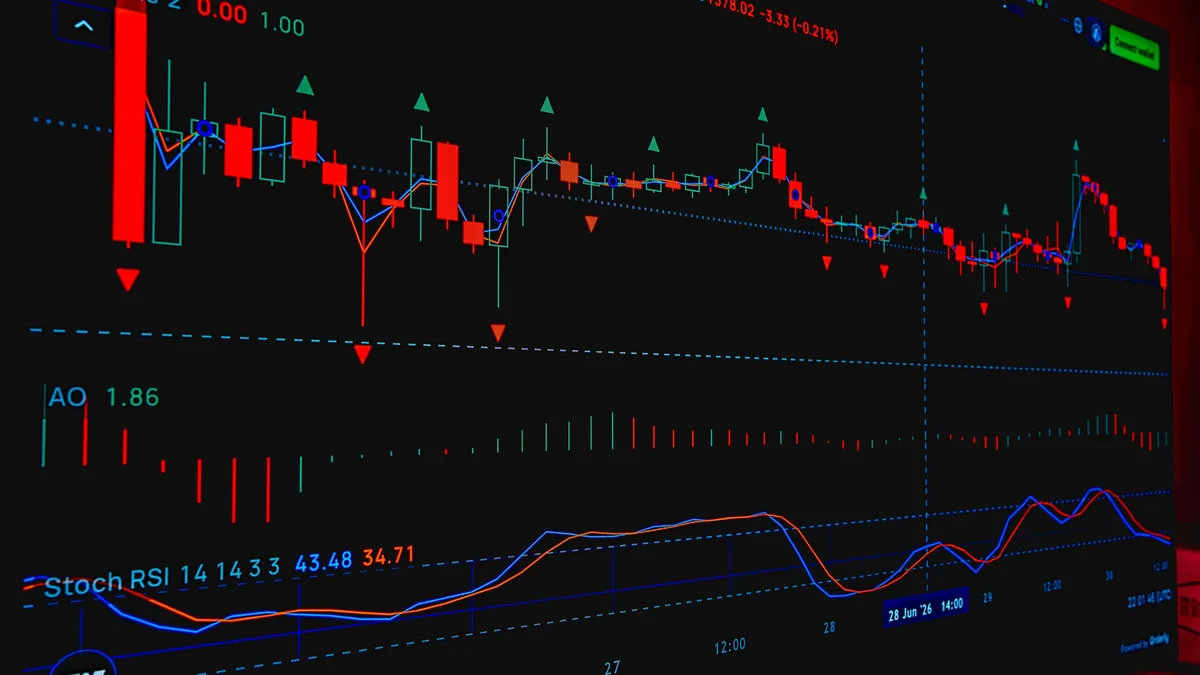
Tata Chemicals shares fell almost 10% on Friday amid a broader decline in Tata group stocks. The drop came despite the stock being up around 15% since September 11, when the Reserve Bank of India directed its parent company, Tata Sons, to list publicly.
That regulatory move had provided relief after the stock had lost about 20% in 2026. The earlier decline was driven by sustained pressure in the global soda ash market, which is Tata Chemicals' key product. The company owns a 2.53% stake in Tata Sons, a holding that could unlock significant value upon a listing.
Soda ash market faces global oversupply
Earnings face substantial pressure from the global soda ash market. An excess capacity in China is creating headwinds. According to Bloomberg data, the average free-on-board China spot index for soda ash fell by 10% in the September quarter compared to the previous quarter.
Analysts are cautious. "We remain cautious on the structural outlook for soda ash, with pricing expected to remain weak due to persistent global oversupply," noted JM Financial Institutional Securities. The firm cited elevated Chinese utilisation rates and record inventory levels of about 1.7 million tonnes as factors delaying a rebalancing of demand and supply.
First-quarter earnings reflect challenges
The difficult market conditions were evident in Tata Chemicals' financial results for the first quarter of fiscal year 2027. While consolidated revenue grew 14% year-on-year to 4,255 crore rupees, earnings before interest, tax, depreciation, and amortization (EBITDA) fell 14% to 555 crore rupees.
Higher volumes and domestic prices supported revenue growth. EBITDA, however, was hurt by lower realizations from global operations and increased costs. Following the weak quarter, Motilal Oswal Financial Services cut its fiscal year 2027 earnings-per-share estimates for the company by 19%.
The company's financial performance can be summarized by the following quarterly figures:
| Metric | Q1 FY27 Performance |
|---|---|
| Consolidated Revenue | ₹4,255 crore (up 14% year-on-year) |
| EBITDA | ₹555 crore (down 14% year-on-year) |
| Industrial Essentials Segment EBIT | Loss of ₹70 crore (from a profit of ₹131 crore) |
Strategic reorganization and financial position
During the quarter, Tata Chemicals reorganized its business segments. The goal is to reduce exposure to cyclical operations and redirect focus toward consumer and farm segments. The new structure has three categories: Living Essentials (salt, sodium bicarbonate), Industrial Essentials (soda ash, industrial chemicals), and Farm Essentials (agrochemicals, seeds).
The Industrial Essentials segment contributes more than half of total revenue. It saw revenue grow 13% in the quarter, but its earnings before interest and taxes swung to a loss of 70 crore rupees from a profit of 131 crore rupees a year earlier.
Management expects capital expenditure for the fiscal year to be around its annual depreciation of 1,200 crore rupees. The company's net debt stood at 5,692 crore rupees at the end of June, down from 5,961 crore rupees at the end of March. This reduction followed asset monetization of 300 crore rupees in the first quarter, with further monetization being evaluated for the second half of the fiscal year.
Analyst targets and near-term outlook
Brokerages have set target prices for the stock based on a sum-of-the-parts valuation. Motilal Oswal has a target of 700 rupees per share, while JM Financial's target is 730 rupees. The stock was last trading at 714 rupees apiece.
The company's medium-term prospects may benefit from its business reorganization. For a meaningful near-term earnings improvement, however, a recovery in global soda ash prices remains key. Continued tensions in West Asia, which raise production costs, could further delay any earnings recovery.