Pyka and rivals race to deploy self-flying
Companies like Pyka and Windracers are developing autonomous fixed-wing aircraft for cargo and crop spraying, with ambitions for future passenger flights.
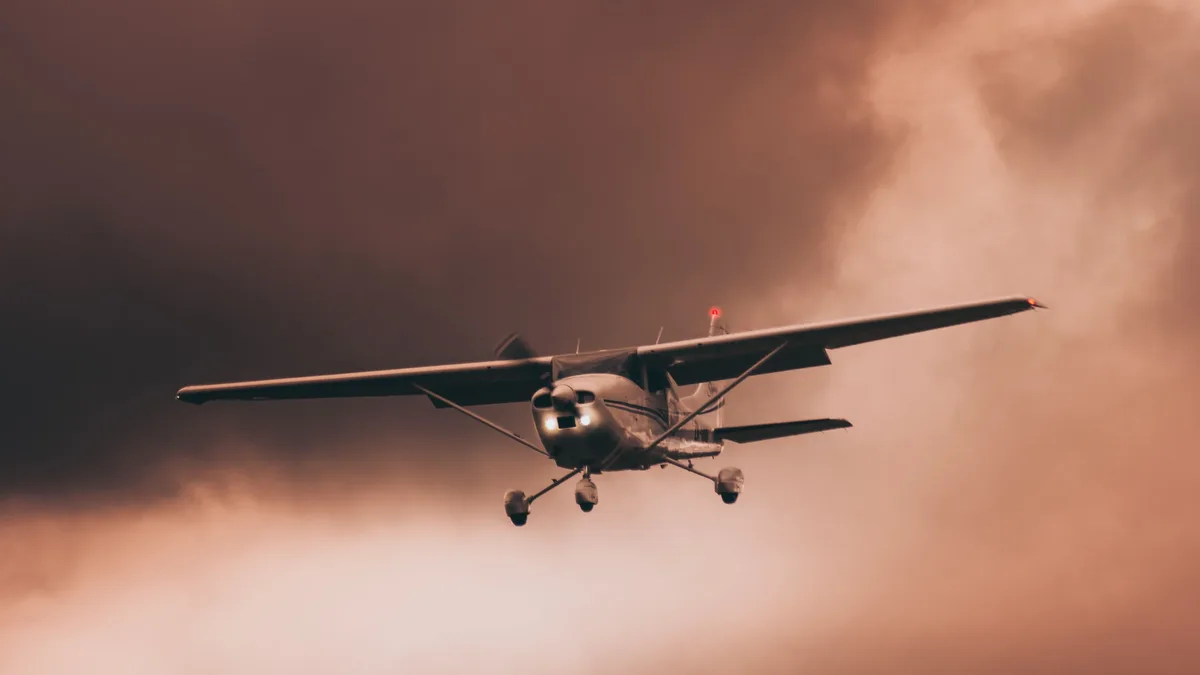
A pilotless crop-spraying plane is flying low over a California alfalfa field. The aircraft, built by startup Pyka, is among a group of autonomous fixed-wing planes being developed for commercial service in cargo delivery and agriculture.
Pyka's flight test engineer says the electric plane can fly lower than a human pilot. This reduces spray drift and chemical use. About a dozen of Pyka's aircraft are already operating in Brazil, spraying cotton and soybeans.
The current state of operations
Pyka's crop-spraying plane has an 11.5-meter wingspan, flies for about 35 minutes, and carries up to 300 liters of spray. It is the largest autonomous fixed-wing aircraft approved for commercial civilian use in the US, having secured authorization last year. Operations are limited to tightly defined agricultural settings and require a ground operator and visual observer. The company earlier secured similar approval in Brazil.
Pyka aims to scale production from around two dozen planes a year currently to 1,000 by 2030. Each sells for $550,000, with customers trained to operate them.
In the UK, British firm Windracers is seeking permission to launch an autonomous cargo service in Shetland and Orkney. Its aircraft, designed for remote areas, are also flying missions in Ukraine. The Windracers founder says it would be the first heavy-lift air cargo service by drone certainly in the UK and probably anywhere.
The regulatory and safety challenge
Self-flying planes have been slower to emerge than self-driving cars. A Stanford University expert says this is partly because big tech companies focused investment on cars. Aircraft are also held to stricter safety standards. The consequences for air accidents can just be so severe, says the expert.
Military contracts have helped propel the technology, often with fewer regulatory hurdles. In the civilian area, supporters argue autonomous aircraft could address pilot shortages, remove people from dangerous work, improve efficiency, and cut costs. They also claim automation could make flying safer.
Pilots' groups remain wary. The US Air Line Pilots Association calls removing pilots a serious gamble with safety and a step too far. The US National Agricultural Aviation Association, representing crop-dusting pilots, says small uncrewed aircraft can be hard for its aviators to see and that piloted planes can spray a larger area faster.
Different technical approaches
Companies are taking divergent paths. Pyka and Windracers build aircraft from scratch, designing in autonomy. Others retrofit existing planes. US-based Reliable Robotics, backed by Boeing's investment arm, is testing its system on a Cessna 208B Grand Caravan cargo plane. Its CEO says retrofitting lets the company focus on proving the autonomous system's safety.
Merlin Labs, also US-based, is applying its system to a Lockheed Martin C-130J military transport plane. Its founder explains it is a common autonomy brain that can transition between different aircraft.
A major technical divide concerns the use of artificial intelligence. Reliable avoids AI, arguing it complicates certification. Merlin takes an AI-centric approach. This split is evident in 'detect and avoid' systems, a critical challenge for replicating a pilot's ability to spot and maneuver around other aircraft.
Reliable's CEO claims its radar system is better than a pilot's eyeballs. Pyka's co-founder says AI is perfect for tasks like distinguishing a distant airplane from a smudge.
The AI dilemma extends to air traffic control communications. In shared airspace, aircraft must handle radio instructions. Reliable's solution is a remote pilot on the ground. Merlin plans to use generative AI trained on recorded exchanges to interpret and respond itself. Its founder says their problem is harder but they want to move beyond remote piloting.
Pyka's co-founder says his company is content to let others blaze the trail in shared airspace operations. Meanwhile, many expect the technology being pioneered will gradually integrate into commercial aviation, potentially making piloted flying safer. The US pilots' association notes that would be a welcome development.